Preparing San Bernardino County for El Niño and Storms
El Niño can influence weather patterns and bring wetter, stormier conditions to Southern California. In San Bernardino County, this can mean heavy rain, flooding, flash flooding, debris flows, strong winds, power outages, road closures and winter weather in mountain communities.
Storm impacts can be different depending on where you live. Preparing ahead can help you protect yourself, your household and your property. Know your risk, stay informed and take steps now so you’re ready when storms arrive.
What is El Niño?
The term El Niño (Spanish for “the Child”) refers to a warming of the ocean surface, or above-average sea surface temperatures, in the central and eastern tropical Pacific Ocean. The low-level surface winds, which normally blow from east to west along the equator (“easterly winds”), instead weaken or, in some cases, start blowing the other direction (from west to east or “westerly winds”).
How is San Bernardino County preparing?
San Bernardino County is actively preparing for the potential impacts of a strong El Niño, with multiple County departments coordinating efforts before and throughout storm season.
County preparedness efforts include:
- Monitoring National Weather Service forecasts, rain gauges and cameras.
- Inspecting and clearing drainage systems.
- Identifying priority areas through mapping and field intelligence.
- Coordinating across County departments and partner agencies.
- Expanding community outreach and education to help residents prepare.
As conditions warrant, County departments are prepared to pre-position equipment, materials and personnel in areas that may be impacted. Emergency responders are also trained in swift water rescue, search and rescue, aviation and evacuation procedures.
Residents are encouraged to prepare before storms arrive by signing up for TENS emergency alerts, following official County information, knowing the hazards around their homes, preparing for possible power outages and having a go-bag ready.
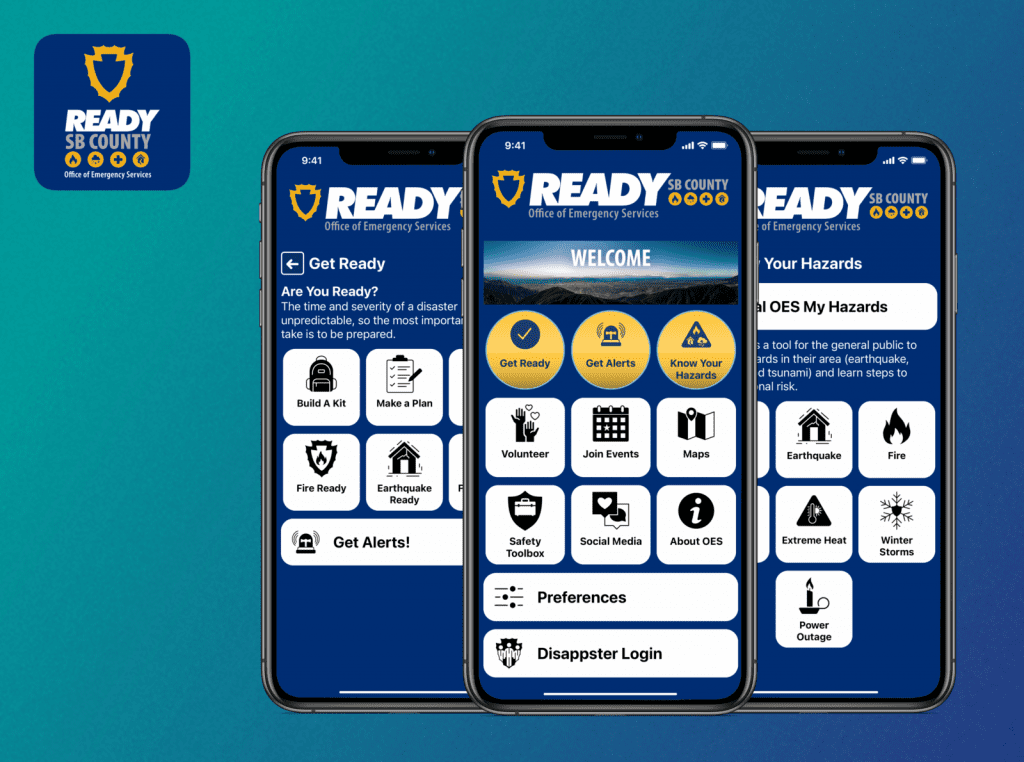
Preparedness resources, storm information and additional guidance are available at Prepare.SBCounty.gov. Residents can also download the Ready SB County app for preparedness information and emergency resources on the go.
San Bernardino County will continue coordinating closely with the National Weather Service and local, state and federal partners throughout the season, adjusting preparedness and response efforts as forecasts and conditions develop.
For immediate or life-threatening emergencies, call 911. This page provides information and resources to help you prepare for and stay safe during storms.
County Resources
Quick Links
What should you do to prepare?
Preparing ahead can help keep you, your family and your business safe during El Niño and storms. Heavy rain, flooding, strong winds, power outages and road closures can create hazardous conditions and disrupt daily life.
Know what to do before, during and after a storm so you’re ready when conditions change.
Before the Storm
- Sign up for TENS emergency alerts and monitor weather forecasts before storms arrive.
- Stay informed and prepared with the Ready SB County App, your personal emergency toolkit from San Bernardino County OES.
- Know whether your home or usual travel routes are in areas that may be impacted by flooding, flash flooding, debris flows or winter weather.
- Clear gutters, drains and areas around your property where water needs to flow.
- Know where to get sand and sandbags before heavy rain begins. Secure outdoor furniture, decorations and other loose items that could be moved by strong winds.
- Keep your vehicle fueled and ready. If you live in or travel through mountain communities, carry chains or other required traction devices and winter supplies.
- Prepare enough food, water, medications and essential supplies for several days in case travel becomes unsafe or power is disrupted.
- Charge phones and backup batteries before the storm.
- Review your evacuation routes and have more than one way to leave your community.
- Bring pets indoors and include their food, medications, carriers and other needs in your emergency supplies.
During the Storm
- Stay informed through TENS emergency alerts, the National Weather Service and official County sources.
- Avoid unnecessary travel during heavy rain, flooding or storm conditions.
- Never drive, walk or enter moving or flooded water. Roads may be damaged or washed out beneath the water.
- Follow road closures and do not drive around barricades.
- If your vehicle becomes trapped in rapidly rising water, get to higher ground if you can do so safely.
- Stay away from flood channels, washes, creeks and other areas that can fill quickly during heavy rain.
- Be especially cautious near hillsides and areas previously impacted by wildfires, where heavy rain may increase the risk of debris flows.
- In mountain communities, be prepared for snow, ice, reduced visibility and rapidly changing road conditions.
- Follow all evacuation warnings, evacuation orders and instructions from public safety officials.
- Stay away from downed power lines and report them to the appropriate utility.
- If you lose power, use flashlights instead of candles and use generators outdoors only, away from doors, windows and vents.
After the Storm
- Continue monitoring official information. Flooding, debris flows, road closures and other hazards may continue after the rain or snow stops.
- Do not enter closed or damaged areas until officials say it is safe.
- Never drive around road closure signs or barricades. Roads may be damaged even if conditions appear safe.
- Stay away from downed power lines, damaged electrical equipment and broken gas lines. Report hazards to the appropriate utility.
- Do not turn gas or electricity back on yourself if service has been shut off. Follow instructions from your utility provider.
- Avoid standing water, mud and floodwater, which may contain debris, chemicals, sewage or other hazards.
- Throw away food that has come into contact with floodwater or may be unsafe because of an extended power outage.
- Follow official guidance about drinking water if your water system has been impacted.
- Check your property for damage when it is safe to do so and document damage with photos before beginning cleanup when possible.
- Use caution during cleanup. Wear protective clothing, gloves and sturdy shoes around mud, debris and damaged areas.
Stay Weather Aware
The National Weather Service is the official source for weather forecasts, watches and warnings. Weather information shared by San Bernardino County during El Niño and storms will come from the National Weather Service.
Residents should become familiar with the National Weather Service and regularly check the forecast, especially when storms are expected. Conditions can change quickly, and staying informed can help you make decisions about travel, prepare your home and know when it may be time to take action.
Check the National Weather Service forecast for your area regularly and pay attention to any watches or warnings that are issued.
Turn Around, Don’t Drown®
Flooded roads can be deeper and more dangerous than they appear. Never drive, walk or swim through floodwaters. If you encounter a flooded roadway, turn around and find another route.
Learn more about Turn Around, Don’t Drown®
Know the Difference: Watch vs. Warning
Understanding weather alerts can help you know when to prepare and when to take action.
Watch: Conditions are possible. Stay informed and be prepared to act if conditions worsen.
Warning: Hazardous conditions are occurring or expected. Take action and follow instructions from local officials.
Learn more about watches and warnings.
FOLLOW US ON SOCIAL FOR UPDATES
Additional Preparedness Resources

Disasters can happen anytime. Knowing where to find help and what assistance is available can make navigating recovery easier for you and your community.
Essential Steps to Keep You and Your Family Prepared
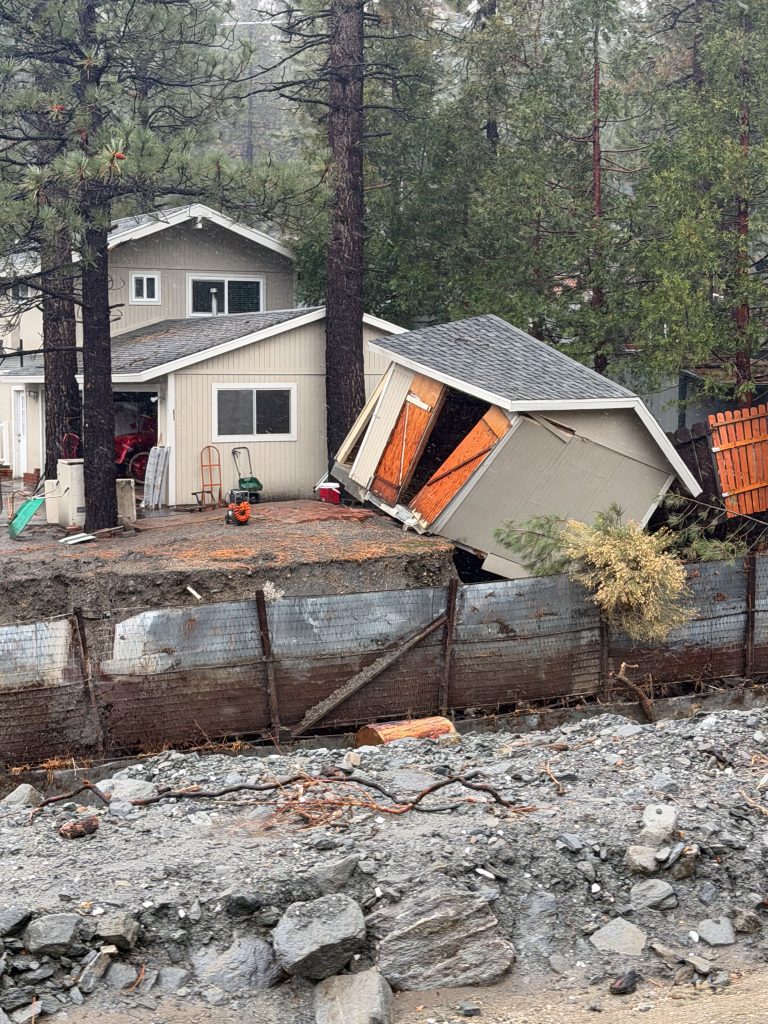
Understanding the hazards that can affect San Bernardino County is a critical step in preparing for emergencies.

A well-stocked emergency supply kit is crucial to keeping you and your family prepared during a major incident.
